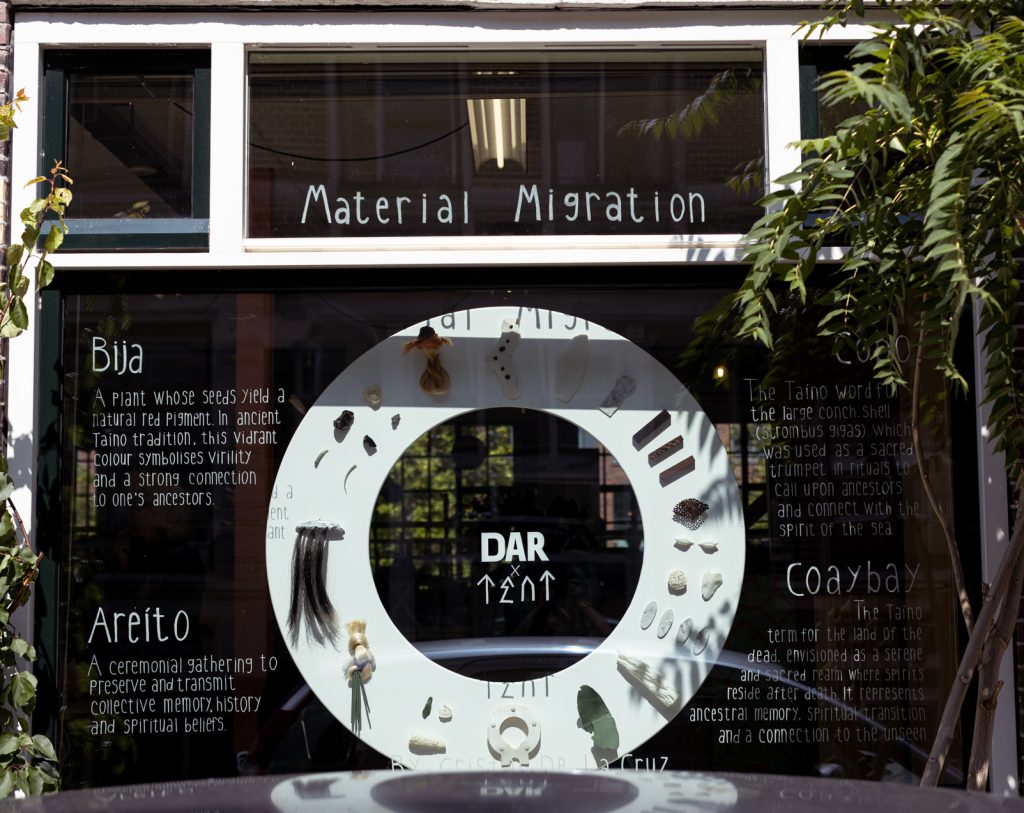
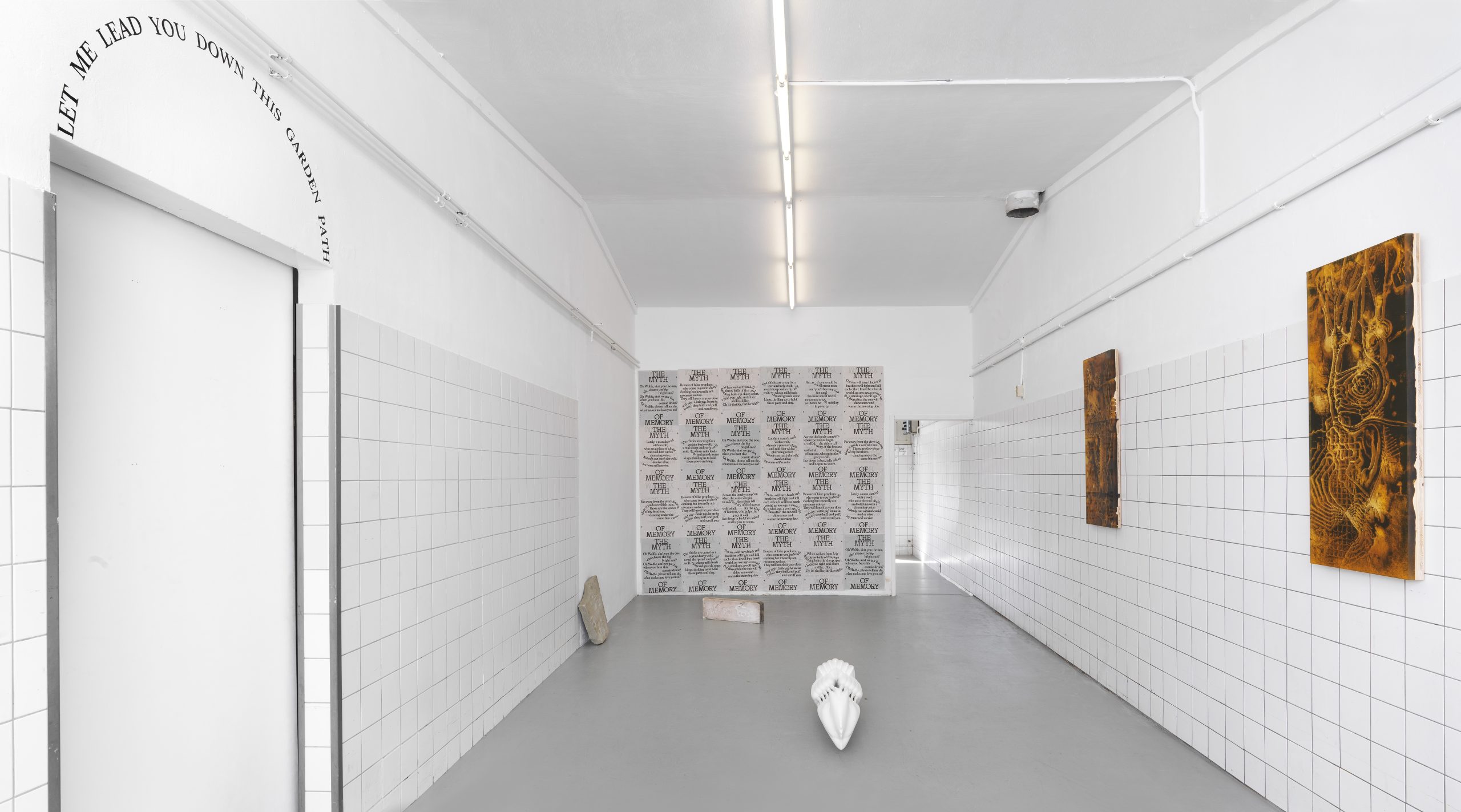
Material Migration is a wild thread pulled from a continuous, migratory weave, tracking how sacred objects, minerals, rituals, and ancestral secrets cross vast oceans and centuries without drowning.
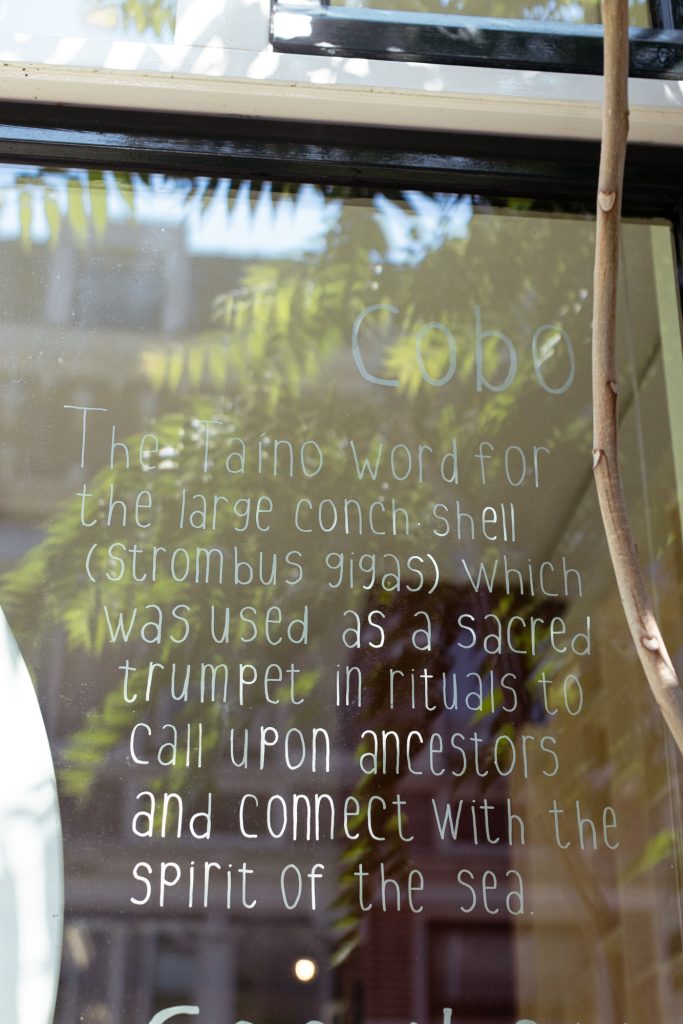
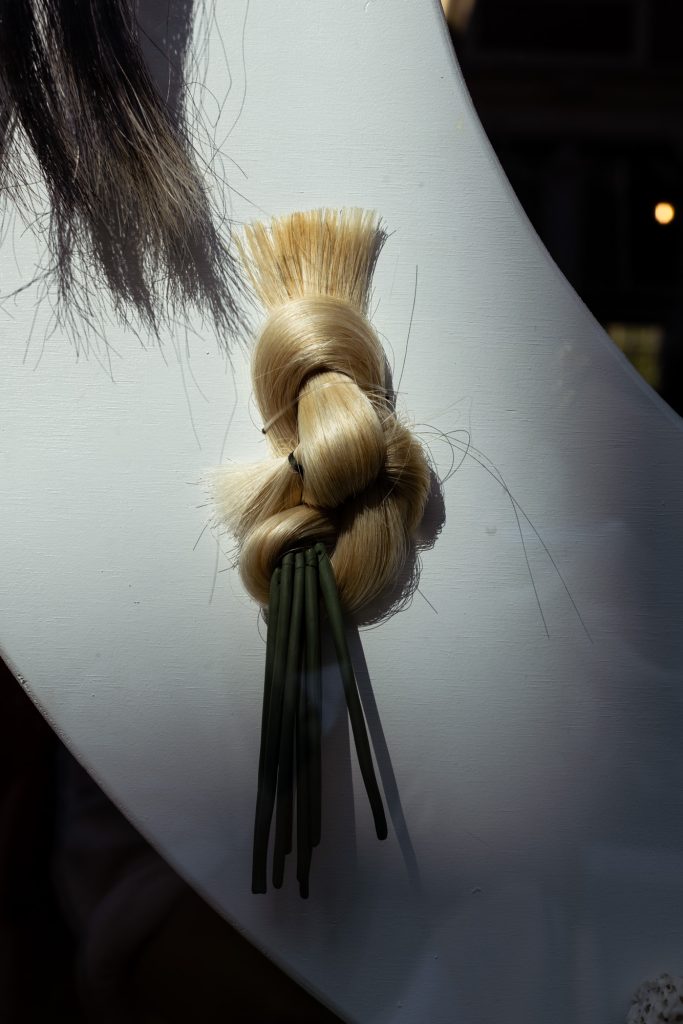
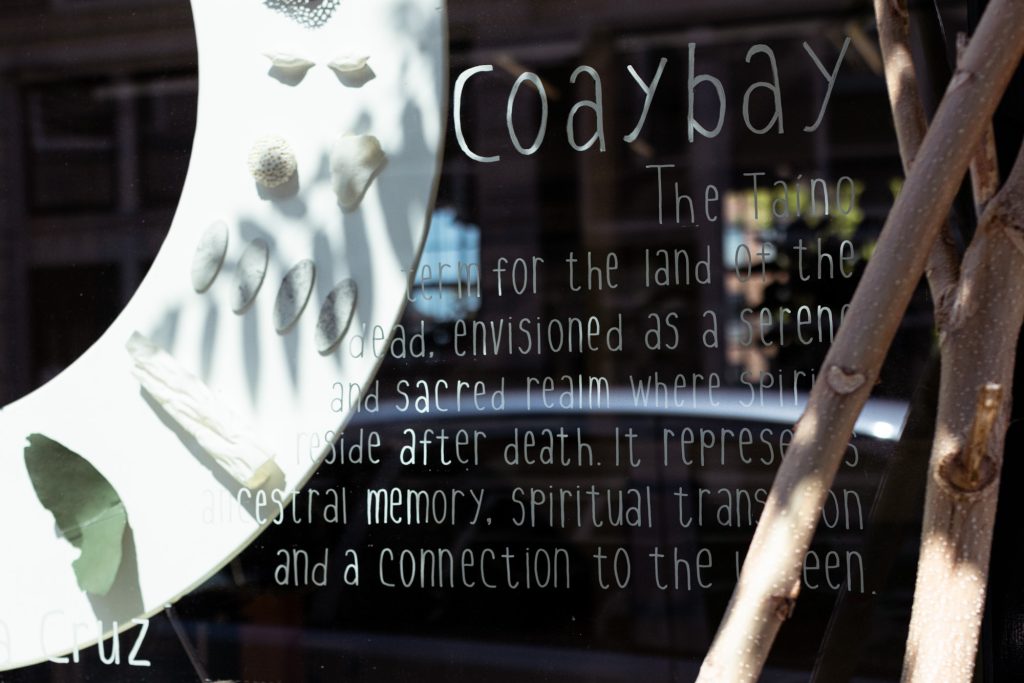
The circular ring stands as a sacred perimeter, a space of transformation where raw matter is tested, broken, and reborn. Every rough texture and sculpted form leaves a physical footprint of this ongoing journey. Here, the objects do not merely have names; they are veiled in the fragments of the Taíno tongue. These ancient words are not static definitions, but a shifting, breathing archive of things that have survived. The work captures how memory withstands the trauma of displacement. It is the map of a culture forever on the move, refusing to be erased.
YOCAHÚ 2024
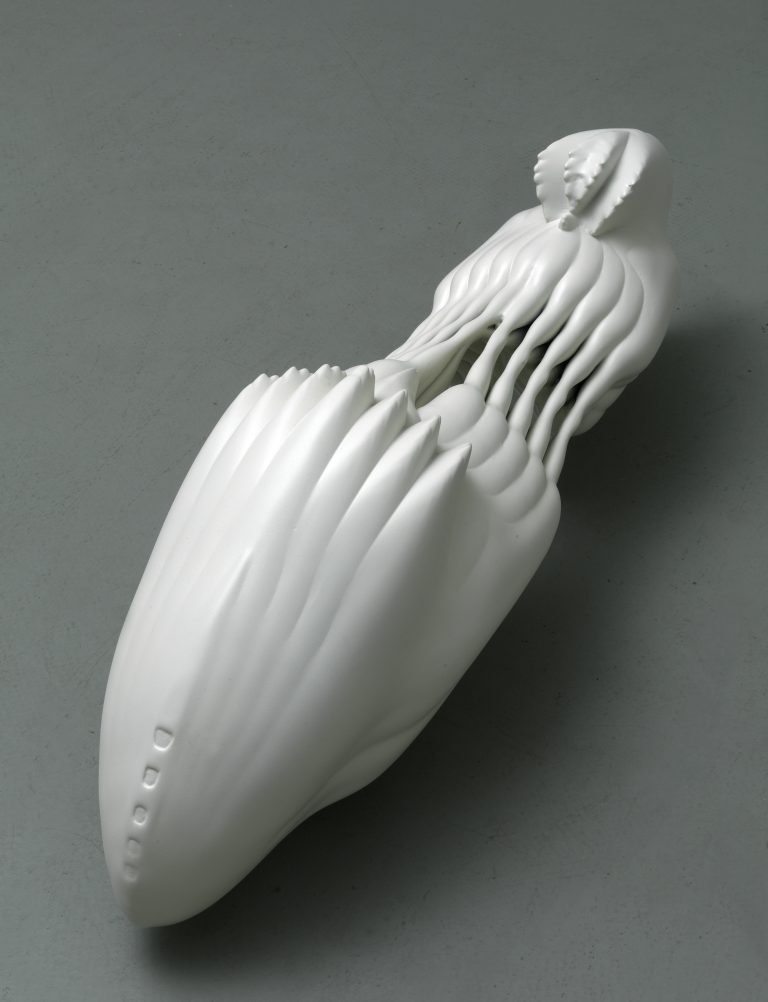
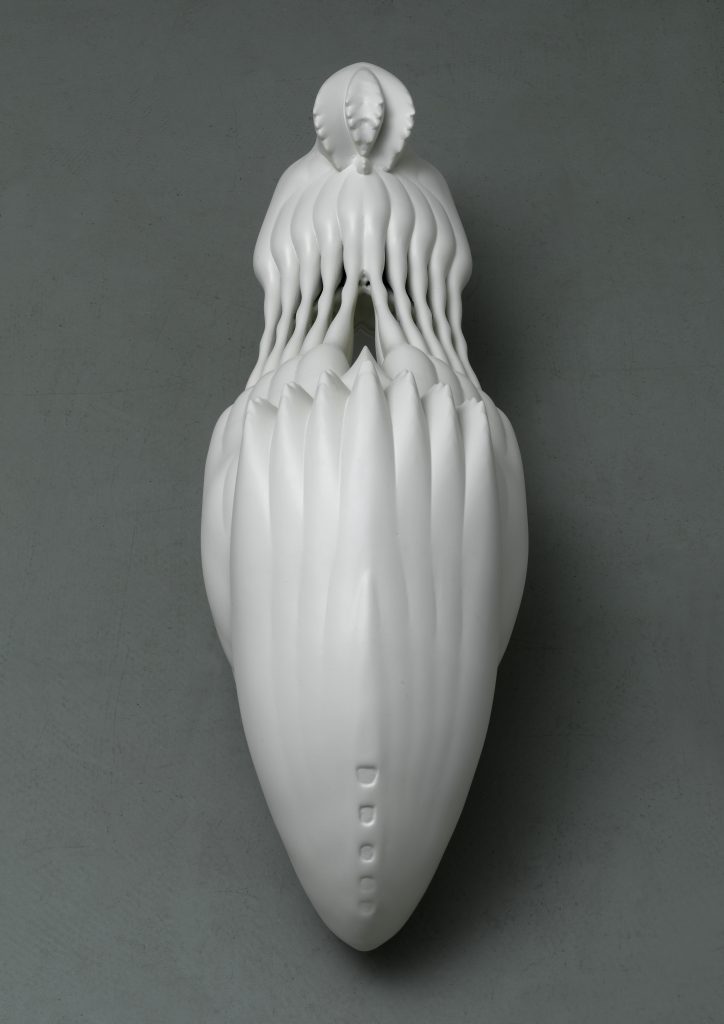
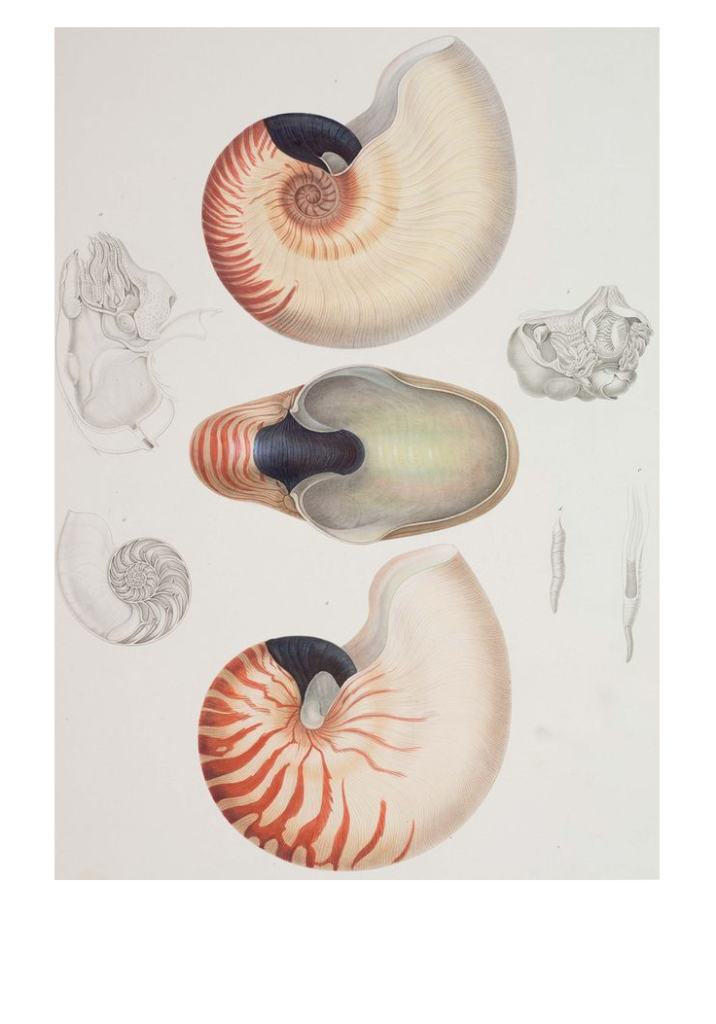
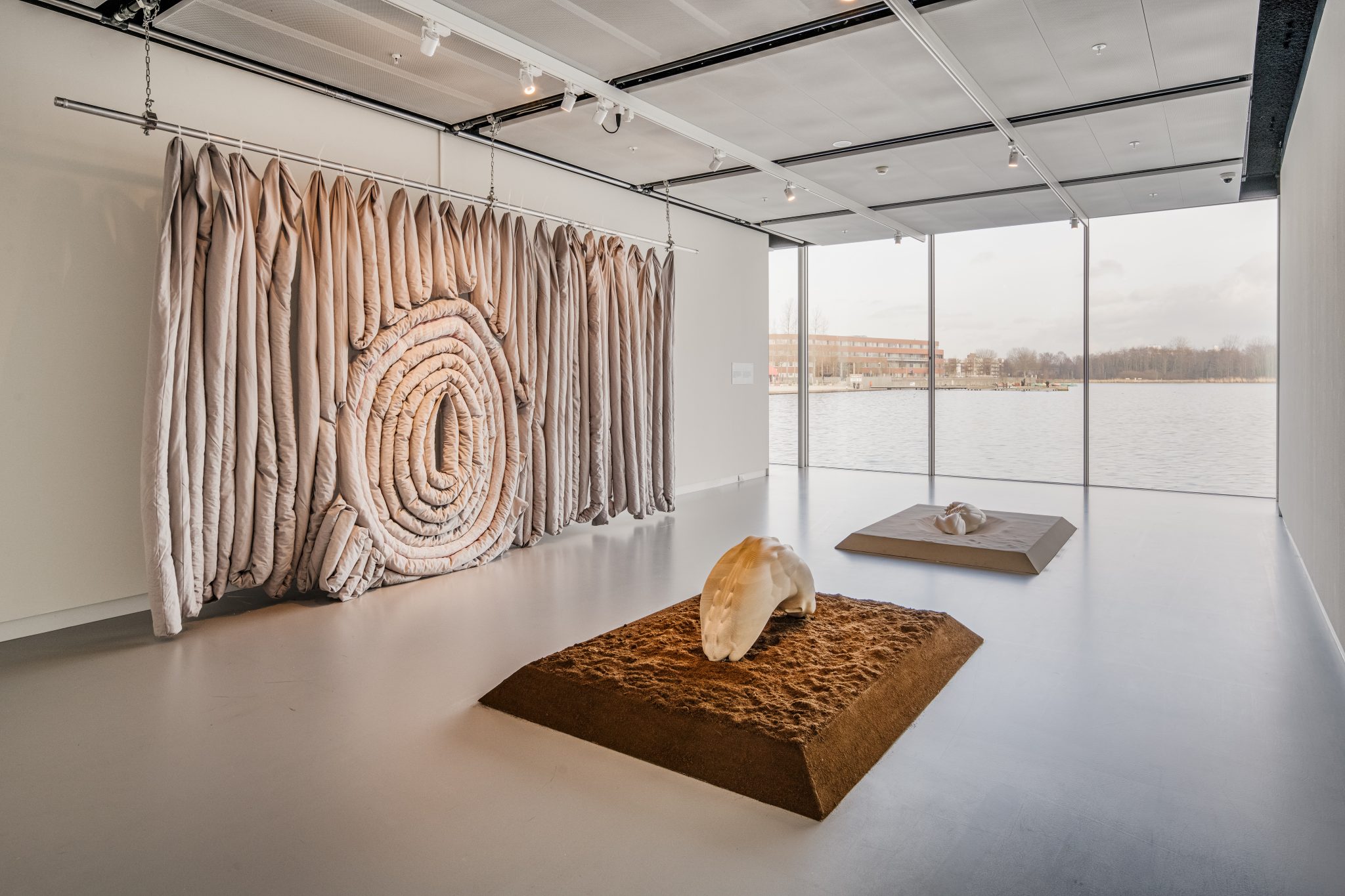
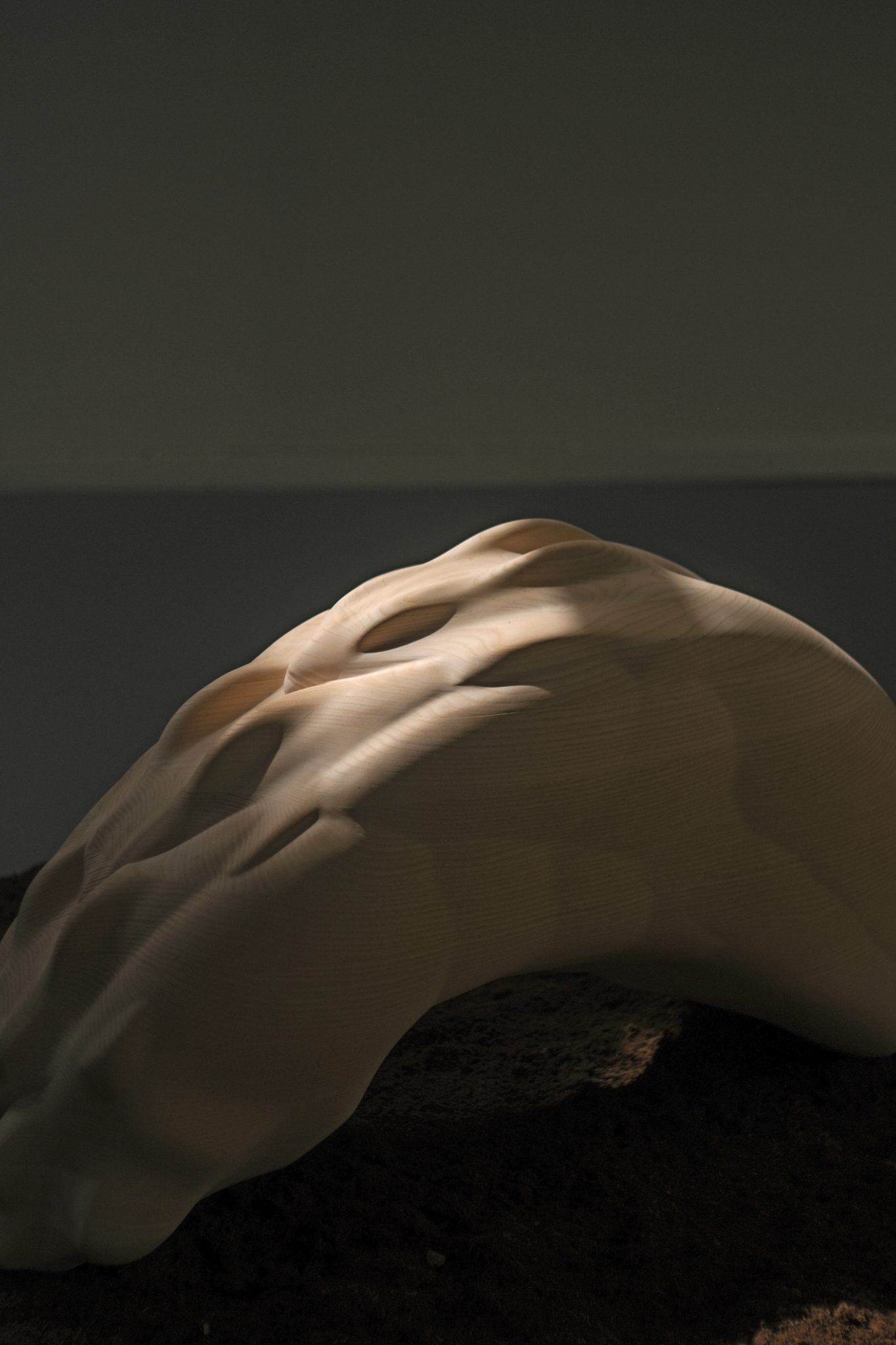
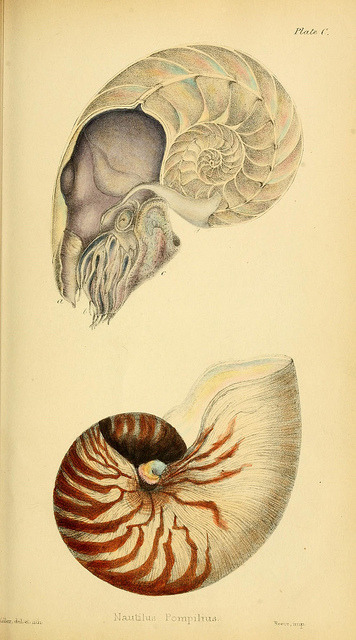
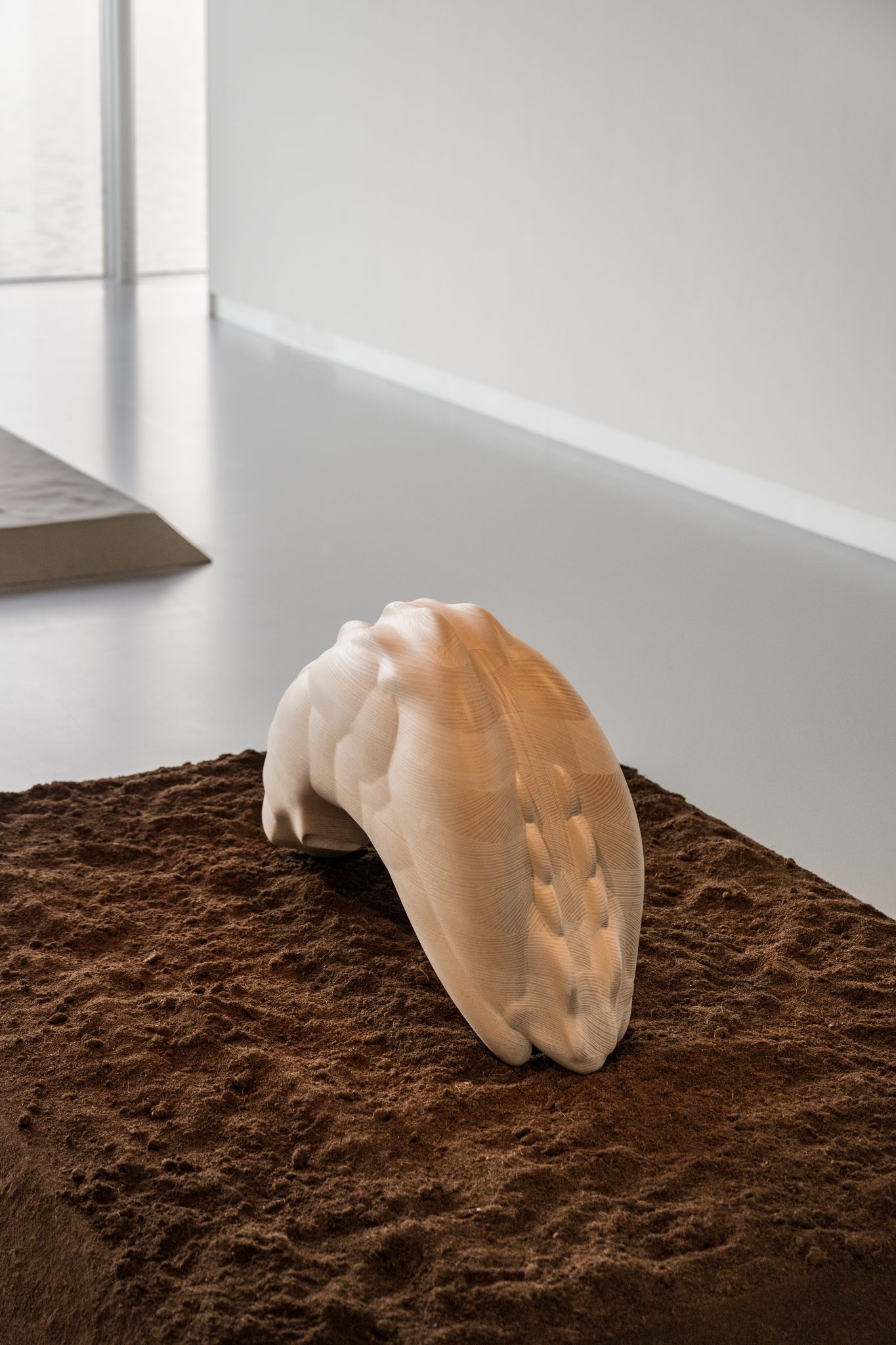
Yocahù takes its name from Yúcahu-Bagua-Maórocoti, the Taíno god of fertility and creation. The work grows from two sources I keep returning to: this creator-god, whom I read as a keeper of thresholds, and the spiral of the nautilus shell, whose chambers widen as they grow and never close. Yocahù grows from myth and scientific parameter, yet these two elements fold into one another, becoming a figure that resembles a stranded fossil.
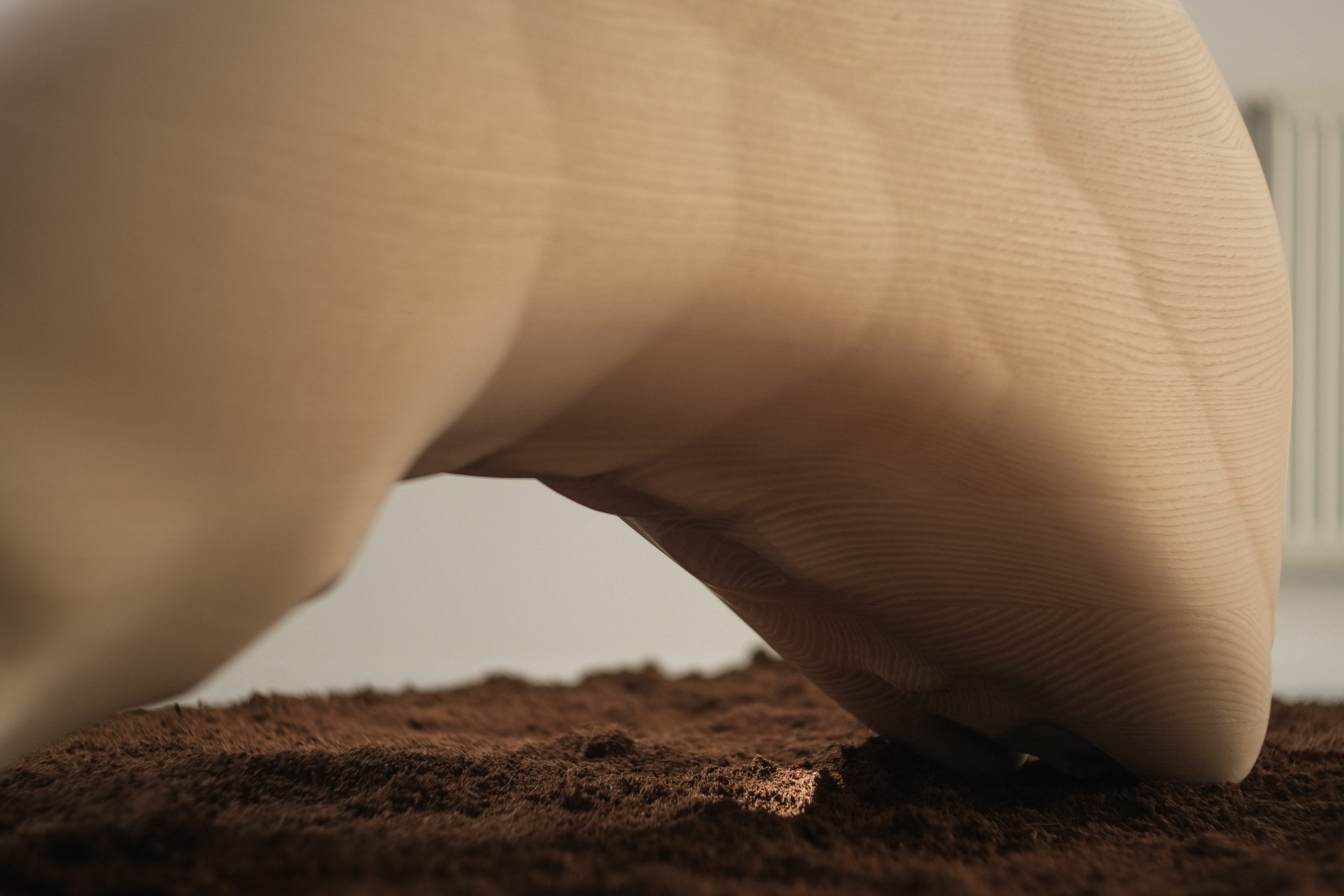
Its lines repeat and rise into spikes. I have seen the mountains and the ocean collide, and that’s where I go back and forth, reconnecting with my motherland, Quisqueya, the mother of all lands. This figure is stranded by the waves, as it lies low on this sandy base.
I wanted it to feel like you’d naturally stumble upon it, because there is something grounding about having it on the ground — it connects to the very themes of the earth and the sea that are so important to me.
For me, this installation invites you to have a more intimate, tactile experience with the piece, almost like you’re discovering something ancient and alive.
Yocahú. Translating Nature I. Baduhenna 2025
Book: Taíno Mythology: Notes on the Supreme Being. Author(s): José J. Arrom
Book: Alternative: Elements of conchology. Reeve, Lowell Augustus 1814-1865
Translating Nature I. Baduhenna 2025
EFIGIE 2024
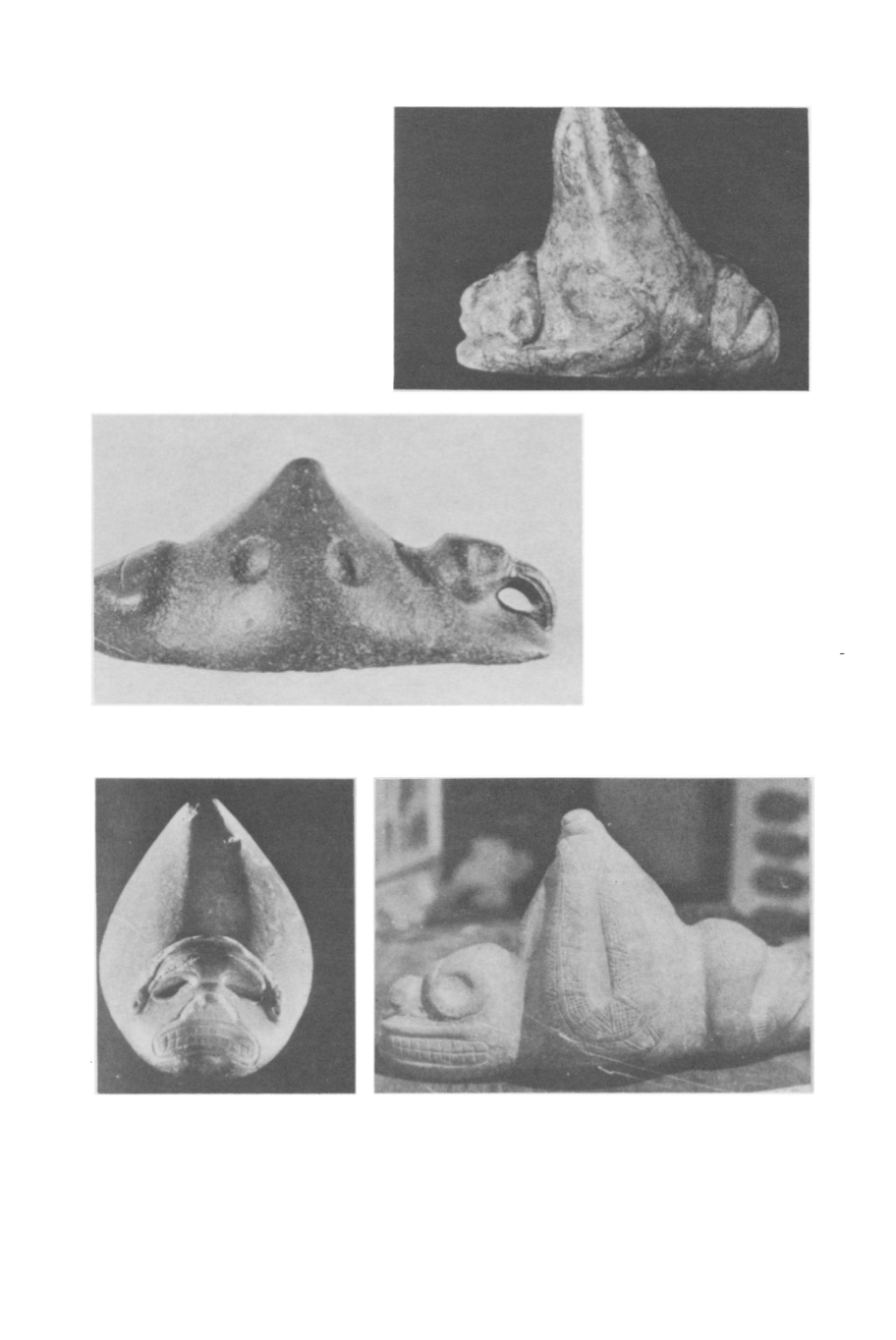
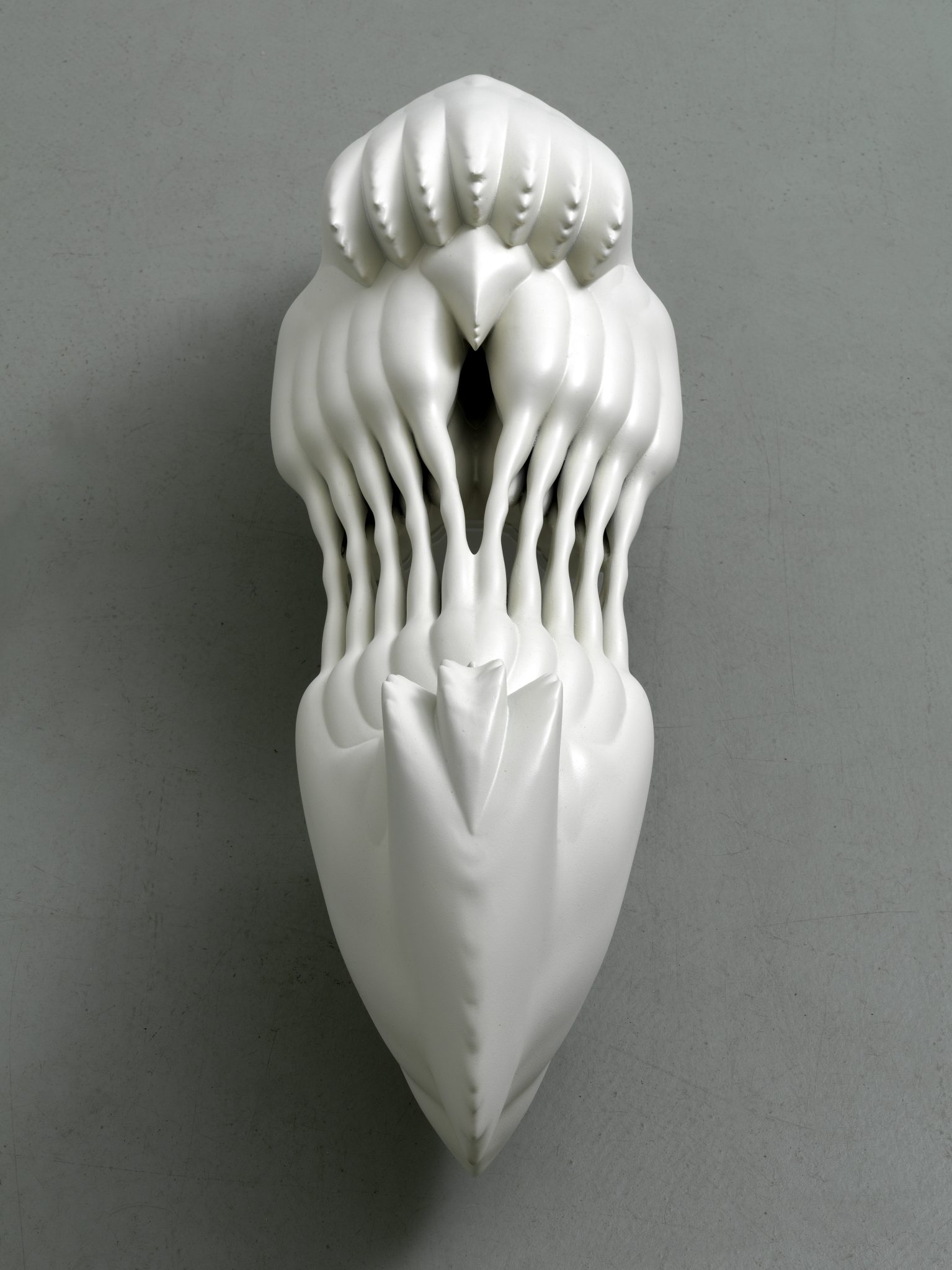
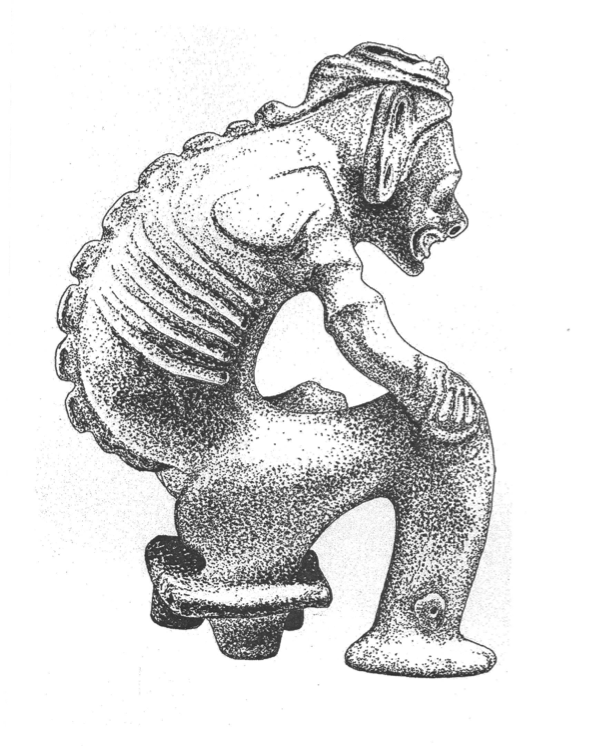
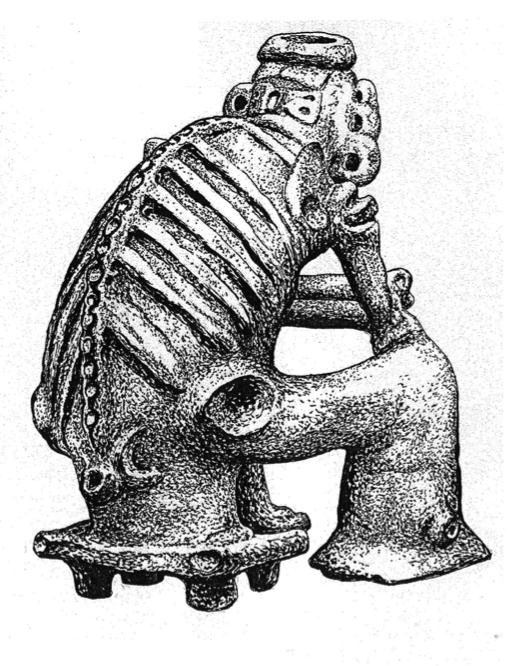
Effigies are portal artefacts that help connect the human and spiritual worlds through ritual. On this journey, I have studied various effigy artefacts, each taking on different forms that resemble human body and or animals. To inspire the creation of my own. Leaning forward in a position that feels as if it is preparing to honor the gods.
The back of the sculpture mirrors the repetitive patterns of a structural shell, while the front features intricate details resembling human bones and eyes. This Efigie represents something very human. It embodies strength and connection, while also conveying a sense of vulnerability.
Efigie, RE:FWD – A Reply To The Present, A Forward To Us All
Book: El Ayuno del Behique y el Simbolismo del Esqueleto. Manuel A. García Arévalo
Book: Alternative: Elements of conchology. Reeve, Lowell Augustus 1814-1865
ANTHOZOA: FLOWER ANIMAL 2021
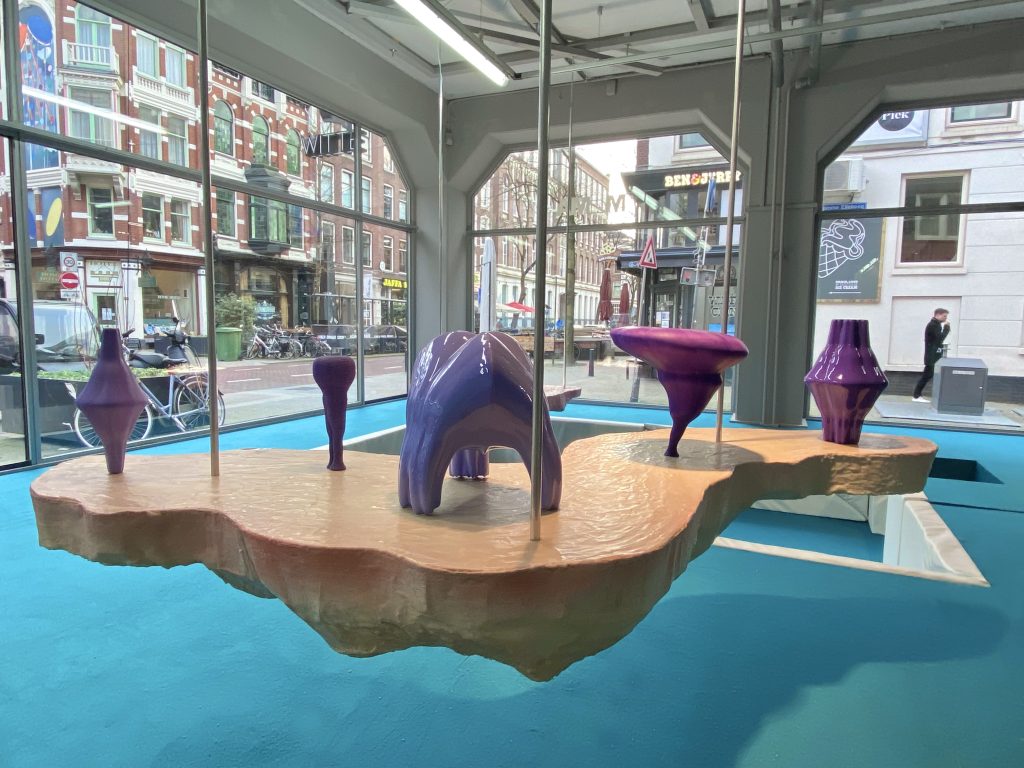
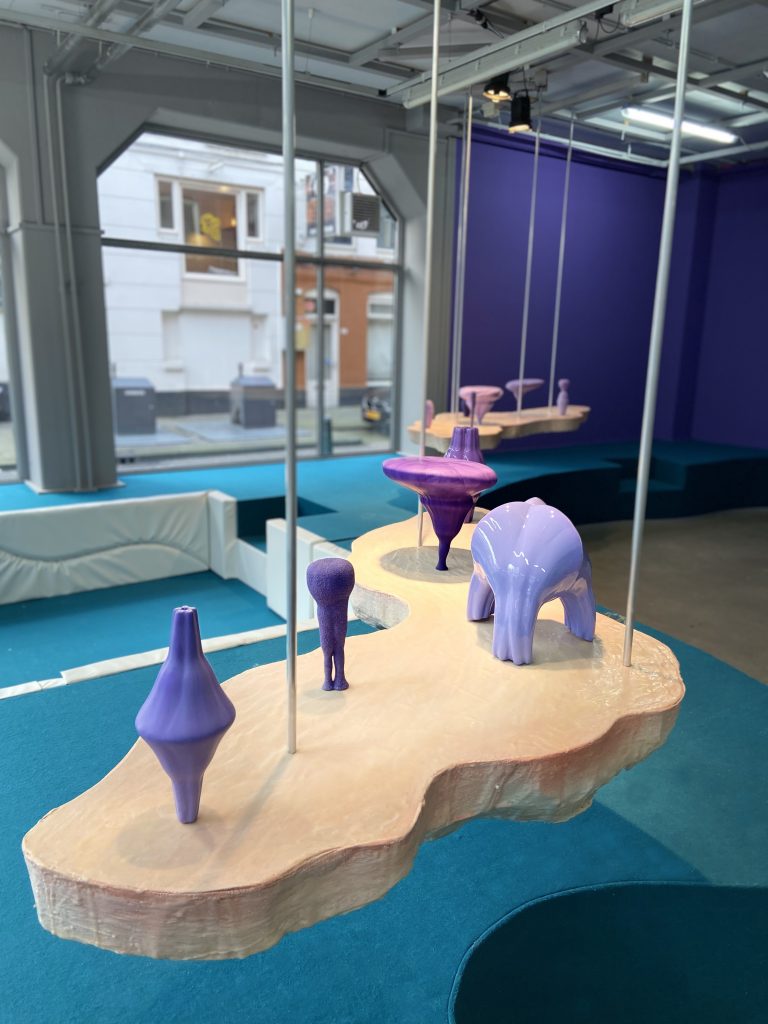
Anthozoa, consists of a series of sculptures that visually represent a narrative that celebrates the perseverance of marine life under challenging circumstances. The project draws attention to the fragility of the ocean ecosystem and the urgent need for conservation. It serves as a direct call to action, conveying a message of hope and resilience.
Each sculpture represents the chemical processes that Acropora, a type of coral, undergoes to protect itself from its warming environment. The color palettes used in these sculptures symbolize these processes. This aspect of the project pays homage to the documentary “Chasing Coral,” which highlights the effects of environmental change on coral reefs.
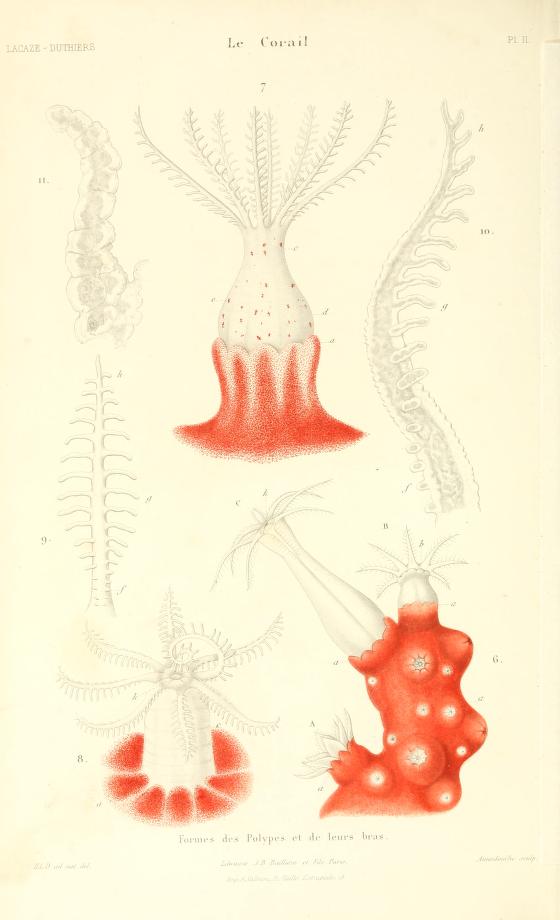
Book: Histoire naturelle du corail : organization, reproduction, pêche en Algérie, industrie et commerce . Formation of a polyps on a coral